Etihad Rail Is Here. Does Your Corporate Fleet Still Need the Same Number of Cars?
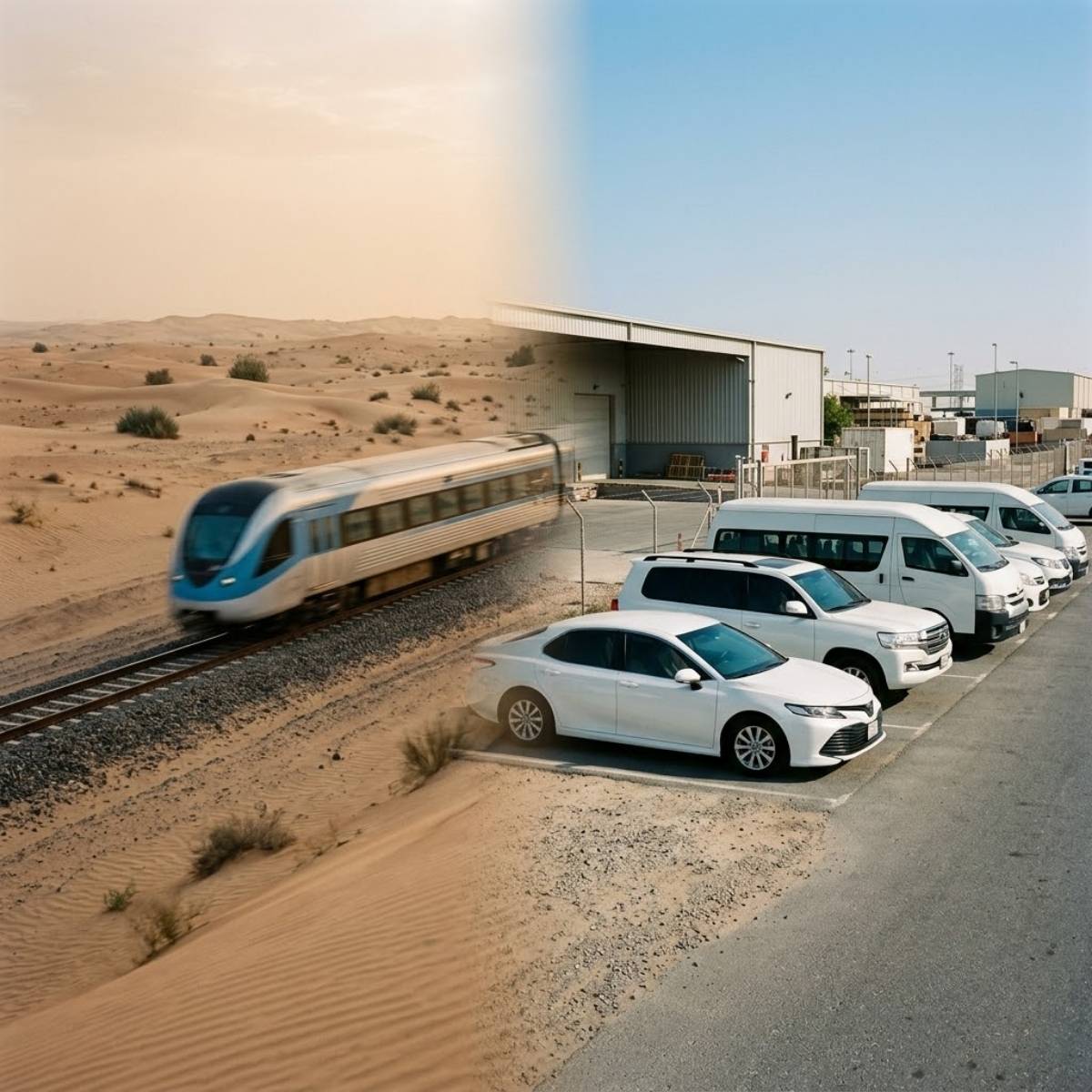
Etihad Rail launched its first passenger service on June 30, 2026, connecting Abu Dhabi to Fujairah. Over 10,000 tickets were sold before the first journey. The network will expand to include Al Dhafra stations by December 2026 and a Sharjah station by March 2027, eventually linking all seven emirates by rail for the first time.
For businesses that rely on corporate car rental and vehicle leasing to move people between emirates, the obvious question is: does this change anything for our fleet?
What Etihad Rail changes for corporate travel
Rail makes sense for specific types of business travel. A manager heading from Abu Dhabi to Fujairah for a site visit does not need a rented car sitting in a car park for eight hours. An engineer travelling between emirates for a half-day meeting could take the train and avoid toll costs, fuel, and the fatigue of a long drive.
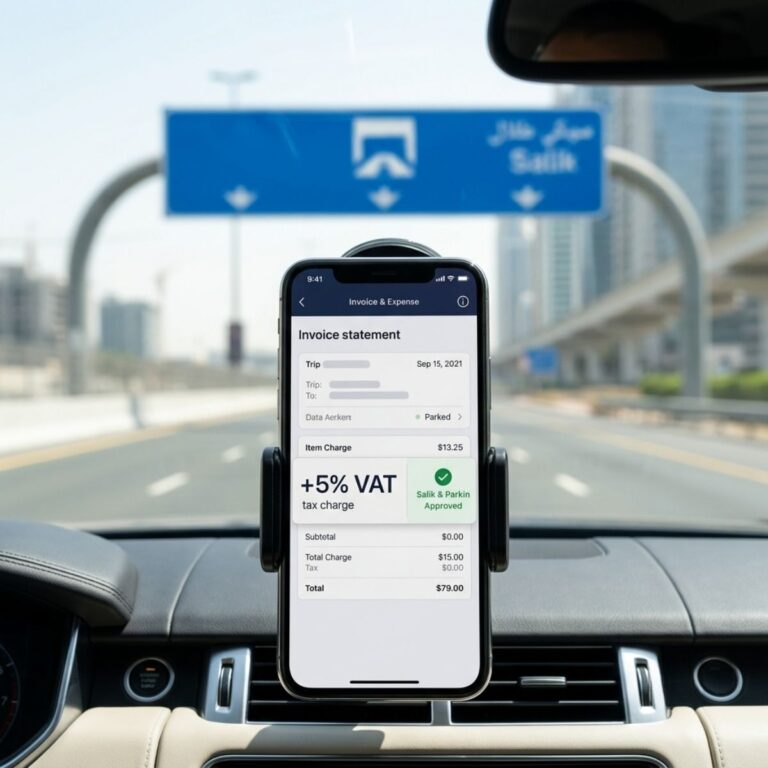
For businesses running inter-emirate operations between Abu Dhabi, Dubai, and the Northern Emirates, rail could reduce the number of ad-hoc rental bookings made purely for point-to-point trips. Over time, that trims a category of fleet cost that often goes untracked: one-off rentals, fuel reimbursements, and Salik tolls on inter-emirate routes.
What rail does not replace
The short answer: almost everything that corporate fleets are actually used for.
Business vehicles in the UAE are not primarily used for inter-emirate commuting. They are used for daily operations: site visits, staff shuttles, client runs, equipment transport, supervisor mobility, and last-mile logistics. A facilities management company in Dubai does not lease vehicles to travel to Fujairah. It leases them to move technicians between buildings across the city, every day, all day.
Rail does not solve the first-and-last-mile problem. An employee who takes the train to Abu Dhabi still needs a car at the other end. A construction crew cannot carry tools and safety equipment on a passenger train. A hospitality company running guest shuttles on Yas Island cannot replace those vehicles with rail tickets.
For most UAE businesses, rail will reduce some inter-emirate travel costs, but the core fleet requirement, daily operational vehicles with clear replacement SLAs, stays exactly the same.
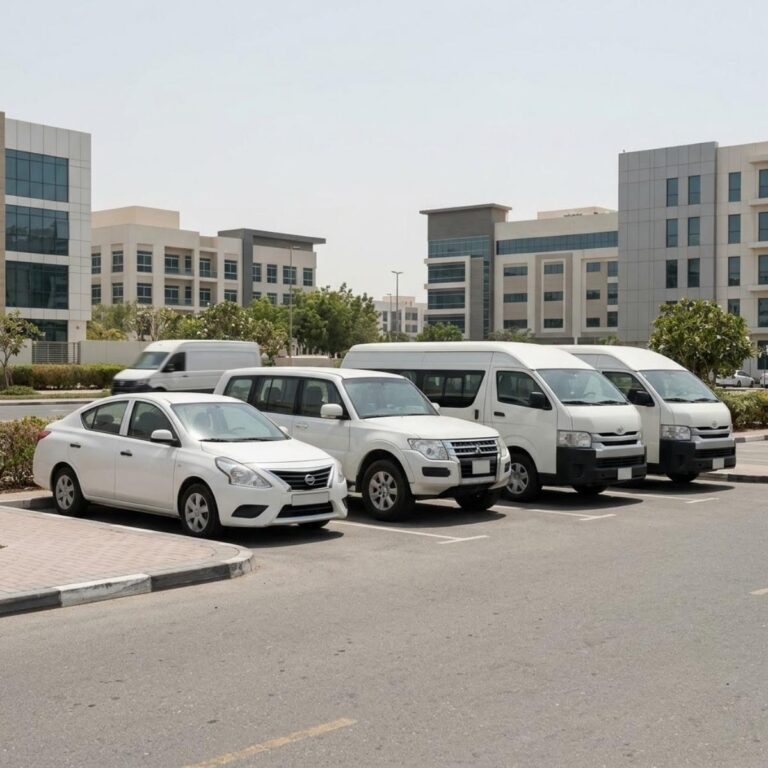
The vehicles that make up a corporate fleet, sedans, SUVs, vans, pickups, and trucks, serve operational purposes that rail cannot touch. They carry people to specific sites, at specific times, with equipment. That is fundamentally different from scheduled inter-city transport.
How fleet managers should think about rail
The practical move is not to wait for rail to replace cars. It is to use this moment to audit how your business currently handles inter-emirate travel and separate it from daily fleet operations.
- Review your inter-emirate trips. How many rental bookings in the last 12 months were purely for travel between Dubai and Abu Dhabi, or Abu Dhabi and the Northern Emirates? Some of those could shift to rail, freeing up budget or reducing vehicle count.
- Separate travel from operations. Inter-emirate travel is a logistics decision. Daily fleet vehicles are an operations decision. Mixing them under one budget line makes it harder to manage either one well.
- Tighten your fleet programme. If rail takes some of the pressure off ad-hoc rental bookings, the remaining fleet becomes more predictable. That is the right time to move from short-term rental to structured corporate leasing for the vehicles you know you need every day.
- Watch the network expansion. The Sharjah station opens in March 2027. If your business operates across Sharjah and Dubai, the calculus changes again in under a year. Build flexibility into your fleet agreements now.
What this means for managed fleet programmes
Etihad Rail is good news for the UAE’s transport infrastructure. For corporate fleets, it is a complementary option rather than a replacement. The vehicles that businesses rent and lease for daily operations across Dubai, Abu Dhabi, and the Northern Emirates are solving a different problem from what rail solves.
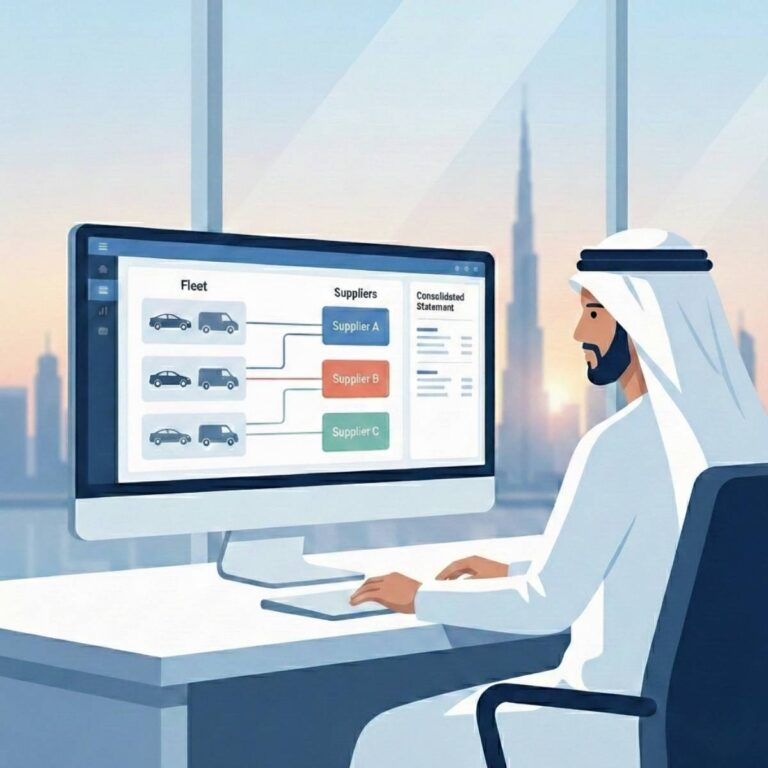
Glide Mobility coordinates car rental and vehicle leasing partners across the UAE under one managed programme, with SLA-backed replacement times and one monthly statement. Whether your fleet shrinks by two vehicles because rail absorbs some inter-emirate travel, or stays the same because your operations are local, the programme adapts.
Frequently asked questions
Will Etihad Rail reduce the need for corporate car rental in the UAE?
For some inter-emirate trips, yes. For daily fleet operations, site visits, staff shuttles, and equipment transport, no. The core demand for business vehicles leased or rented on structured terms stays the same.
Can businesses book Etihad Rail for corporate travel?
Tickets can be booked via the Etihad Rail website or app. Corporate booking programmes have not been announced yet as of July 2026. Businesses currently book individual tickets for employees travelling between emirates.
When will the full Etihad Rail network be operational?
The Abu Dhabi to Fujairah route launched in July 2026. Al Dhafra stations are planned for December 2026. The Sharjah station is scheduled for March 2027. After that, the network will connect all seven emirates. Fleet managers should revisit their inter-emirate travel costs as each new station opens.
Bring structure to your UAE fleet